8 Mile Rock, the Yong Hua Wreck, Koh Sarang, Koh Pung, Seven Rocks, Sail Rock and deep Stonehenge — depths, currents, marine life and the best time to dive each one.
25 August 2026 · updated 7 September 2026 · by La Bombona Diving Koh Lipe
Key takeaways. The best advanced dive sites in Koh Lipe are 8 Mile Rock, the Yong Hua Wreck, Koh Sarang, Koh Pung, Seven Rocks and Sail Rock, plus a bonus advanced dive on the deeper sections of Stonehenge, an otherwise beginner-friendly reef. An Advanced certification or equivalent is typically required, and deep or wreck training is recommended for the Yong Hua. Depths range from 12 to 50 metres. Strong currents and exposed conditions make these sites challenging, not just depth — currents are strongest around the full and new moons and calmer around the half moon. 8 Mile Rock is known for big fish, while Koh Sarang and Seven Rocks are better for soft corals and macro life. Beginners should start with sheltered sites such as shallow Stonehenge or Koh Yang.
Koh Lipe sits inside Tarutao National Marine Park at the southern tip of Thailand. While its shallow bays are popular for beginner training, experienced divers will find the more challenging sites farther offshore.
The best advanced dive sites in Koh Lipe combine greater depth, stronger currents, and more exposure than typical beginner sites. They are generally better suited to divers with an Advanced certification or equivalent experience.
If you already have plenty of diving experience and want to know where Koh Lipe’s diving gets more challenging, this guide breaks down each site. You’ll find information on topography, marine life, current strength, depth, and the best time in the lunar cycle to visit.
In Koh Lipe, a dive site’s difficulty depends on more than depth. Strong tidal currents, exposure, and changing conditions are often the real challenge.
Many advanced sites sit on exposed pinnacles, offshore reefs, or deeper wrecks. With less shelter from surrounding reefs, currents can be stronger and less predictable. Those currents attract schooling fish and larger pelagic species, but they also demand better buoyancy control, situational awareness, and gas management.
A dive site in Koh Lipe generally counts as advanced when it involves one or more of the following:
Experienced divers quickly discover that depth alone does not determine how challenging a dive will be. A shallower site with a strong current can require more skill and attention than a deeper dive in calm water.
We will also consider your certification, recent diving experience, and comfort level before taking you to more demanding sites. If you have not dived recently, start with a Refresh or a couple of easier fun dives at sites such as Stonehenge or Koh Yang. This gives you time to get comfortable with your buoyancy and trim again before attempting more challenging sites such as 8 Mile Rock or the Yong Hua Wreck.
| Dive site | Depth range | Current | Typical certification | Best for | Signature marine life |
|---|---|---|---|---|---|
| 8 Mile Rock | 12 to 50 m | Mild to strong | Advanced | Big fish and challenging deep dives | Barracuda, leopard shark, whale shark chance |
| Yong Hua Wreck | 30 to 45 m | Mild to very strong | Advanced + deep/wreck experience | Deep and wreck diving | Groupers, lionfish, barracuda |
| Koh Sarang | 10 to 30 m | Mild to strong | Advanced | Soft corals and wall drifting | Soft coral pinnacle, seahorses |
| Koh Pung | 5 to 35 m | Mild to very strong | Advanced | Macro life and occasional pelagics | Marbled stingrays, manta chance |
| Seven Rocks | From 12 m | Can be strong | Advanced | Pinnacle diving and photography | Cuttlefish, seahorses, stingrays |
| Sail Rock | 5 to 18 m | Mild to strong | Advanced / experienced | Schooling fish and drift diving | Schooling barracuda, trevally |
| Stonehenge (deep section — bonus) | 15 to 25 m | Mild to strong | Open Water for the reef; Advanced recommended for the 22 m cleaning station | A step up from an otherwise beginner-friendly reef | Cleaning station, leopard sharks |
Depth: 12 to 50 metres · Current: mild to strong, tidal · Best for: Advanced divers comfortable with drift diving and negative or line-guided descents · Highlights: barracuda schools, leopard sharks, giant grouper, chance of whale shark or manta
8 Mile Rock is one of Koh Lipe’s best-known advanced dive sites. It lies about 8 miles south of the island in open water.
The site consists of several submerged pinnacles that rise from depths beyond 45–50 metres to around 12–15 metres at the top. That dramatic depth profile is what makes 8 Mile Rock special. You are not simply diving a deeper reef; you are exploring rock formations that rise dramatically from the open sea.
Depending on conditions, the dive may begin with an open-water descent before the pinnacles come into view below. The formations create a real sense of scale, and the deeper water around them gives the site a very different feel from Koh Lipe’s shallower reef dives.
The trade-off is exposure. Currents can range from mild to strong depending on the tide, so this is not a site where you want to fight the water. We plan trips around milder tidal conditions, often targeting the period around the half moon.
The reward is the wildlife. Large schools of barracuda and trevally patrol the pinnacles, while giant groupers often stay close to the rocks. Leopard sharks can also be found resting on the sand at depth. Whale sharks and manta rays are possible when pelagic species move through the area.
Closer to the rock face, slow down and look into the cracks for moray eels, lionfish, scorpionfish, and ornate ghost pipefish. That’s the appeal of 8 Mile Rock: you get the big-animal experience without losing the small stuff. See our 8 Mile Rock trip for the full day plan.
Depth: 30 to 45 metres · Current: mild to very strong, tidal · Best for: divers with deep or wreck diving experience · Highlights: the wreck itself, resident groupers, circling barracuda on ascent
For anyone specifically searching for wreck diving in Koh Lipe, the Yong Hua is the obvious choice.
The Yong Hua is a 75-metre former fish processing boat that caught fire and sank more than a decade ago. It now rests on its side in around 45 metres of water, with the shallowest part of the wreck at roughly 30 metres. Soft corals and sea fans have started colonising the hull. The growth attracts lionfish and scorpionfish, while groupers often shelter in the darker openings.
This is a deep, current-exposed dive that calls for solid buoyancy control and, ideally, some prior wreck or deep diving experience. Consider another site if you are not comfortable managing buoyancy and air consumption at depth or have limited experience with deep or current-exposed dives.
Large barracuda often circle divers during the ascent. It can be one of the most memorable parts of the dive.
Depth: typically 10 to 30 metres · Current: mild to strong, more pronounced around full and new moon · Best suited to: divers with recent experience in current who are comfortable maintaining buoyancy on an exposed site · Highlights: Christmas Tree Pinnacle, seahorses, harlequin shrimp
Koh Sarang belongs to the Far Islands, the furthest cluster of dive sites from Koh Lipe. It’s usually paired with a second site on the same trip because the boat ride takes around 30 minutes.
The main draw is a formation known locally as the Christmas Tree Pinnacle. It’s blanketed in pink and purple soft corals and tree corals. Because of its exposed position, Koh Sarang can experience strong currents, especially around the full and new moons. That’s why it’s typically reserved for experienced divers.
Guides who know the site well can often locate a resting seahorse or, with some luck, a harlequin shrimp tucked into the coral.
Depth: 5 to 35 metres · Current: mild to very strong, tidal · Best for: divers who want a mix of big fish potential and macro life · Highlights: soft coral walls, marbled stingrays, occasional manta or whale shark
Koh Pung sits in the channel between Koh Rawi and Koh Butang. The site has large rocky outcrops covered in soft corals.
Its location can also bring stronger currents, which can bring larger fish through the area. Manta rays and whale sharks have occasionally been sighted here, while marbled stingrays may shelter beneath the boulders.
Koh Pung is best suited to divers who are comfortable with current. You can also spot smaller marine life, including octopus and pipefish, along the rock faces.
Depth: from 12 metres · Current: can be strong, especially around full and new moon · Best for: Advanced divers who enjoy granite pinnacle topography · Highlights: cuttlefish, seahorses, stingrays, dense coral coverage
Seven Rocks starts at around 12 metres and is generally recommended for divers with Advanced or equivalent experience.
Its exposure to current, particularly around the full and new moons, is what makes the site more demanding. The topography is similar to Stonehenge but on a larger scale: dramatic granite pinnacles thick with both hard and soft coral.
Cuttlefish, seahorses, and stingrays are commonly reported here, along with plenty of macro life for underwater photographers to look for.
Because conditions can change quickly with the tide, a guide familiar with local current patterns can make a real difference here.
Depth: 5 to 18 metres · Current: mild to strong, tidal · Best for: experienced drift divers · Highlights: schooling barracuda, snapper, trevally, soft coral coverage
This site is not to be confused with the more famous Sail Rock near Koh Tao. The Koh Lipe site sits behind Koh Dong and is one of the furthest dive sites from the island.
It’s a smaller pinnacle known for soft corals and large schools of barracuda, snapper, and trevally moving through the current. Because the compact formation is exposed to current, Sail Rock is best suited to experienced divers who are comfortable holding position or drifting with the current.
Depth: 15 to 25 metres (advanced interest below 15 metres) · Current: mild to strong depending on tide · Best for: Advanced divers who want to see the deeper cleaning station and pinnacle base — and beginners looking for their first easy dive · Highlights: cleaning station at 22 metres, leopard sharks, large moray eels
Stonehenge is Koh Lipe’s best-known beginner-friendly showcase reef, and it’s worth being upfront about that: this is not an advanced-only site in the way the other six on this list are. Its shallow 5-metre plateau is accessible to Open Water divers on a calm day, and it’s one of the sites we’d point a first-time or recently lapsed diver toward.
What makes it worth including here is its deeper, less talked-about side. A cleaning station sits at roughly 22 metres. The deeper granite formations also attract barracuda, seahorses, and occasionally leopard sharks that are rarely seen in the shallows.
On days with stronger current, even Stonehenge’s deeper sections shift from an easy reef dive into something that rewards advanced buoyancy and current awareness. That’s why it earns a place on this list as a bonus dive rather than a seventh peer to the other six.
The best advanced dive site in Koh Lipe depends on the experience you want and how comfortable you are with depth and current.
If you are unsure, it is usually better to choose based on your recent diving experience and the conditions during your stay rather than selecting a site solely because it is the deepest or most famous.
Water temperature in Koh Lipe stays around 27 to 29°C year-round, so timing your trip is really about visibility and current rather than comfort.
The high season, from November through April, brings calmer seas and the widest access to exposed sites like 8 Mile Rock and the Far Islands. Low season, roughly May through October, still offers diving on many days. It can also bring better chances of whale shark sightings during plankton-rich periods. However, wind can force us to switch to more sheltered backup sites at short notice. Our month-by-month guide has the full picture.
Within any given month, the lunar cycle matters just as much as the season. Currents at exposed advanced sites tend to be strongest around the full and new moons and calmer around the half moon. If 8 Mile Rock or Koh Sarang is on your list, the middle of the lunar cycle may offer easier conditions.
We may ask for proof of certification and recent diving experience before taking you to the more demanding sites.
When booking an advanced dive, let us know your certification level, approximate number of logged dives, and when you last dived. Conditions can affect which offshore sites are suitable on a particular day. It’s better to remain flexible than to plan your entire trip around one specific site.
As a baseline:
If you’re not yet Advanced certified, our Advanced course (Explorer 30) combines the training with dives at suitable sites over two days. This is a practical way to build experience before attempting sites such as 8 Mile Rock.
Once you have the right certification and some recent dives logged, Koh Lipe’s advanced dive sites offer a new level of adventure.
From 8 Mile Rock and the Yong Hua Wreck to the Far Islands, the best site depends on the conditions, tides, and the type of experience you want. From a local diving perspective, choosing the right site is not simply about picking the deepest or most famous option. On the right day, a less well-known site may provide a better experience than trying to force a trip to a particular location in unsuitable conditions.
At La Bombona Diving, we plan advanced trips around the lunar cycle and conditions rather than a fixed schedule. With small groups, experienced guides, and briefings in English and Spanish, we help match you with the right dive site for your experience and dates.
If you’re an Advanced diver or equivalent with recent dives, get in touch to plan your next advanced dive in Koh Lipe.
8 Mile Rock is generally considered Koh Lipe’s standout advanced site. Its large pinnacles, deep sections, strong current potential, and chance of larger marine life make it particularly appealing to experienced divers.
Yes. The Yong Hua Wreck, a sunken fish processing boat resting between 30 and 45 metres, is the primary wreck site and is suited to divers with deep or wreck diving experience.
Depths vary by site. Sail Rock starts at around 5 metres, while Seven Rocks starts at around 12 metres. 8 Mile Rock and the Yong Hua Wreck extend to 50 metres.
An Advanced certification or equivalent experience is typically recommended for the sites covered here. Additional deep or wreck training is particularly useful for the Yong Hua Wreck.
High season (November to April) generally offers calmer conditions and more consistent access to exposed sites. Low season (May to October) can still offer good diving, with potentially better chances of whale shark sightings.
Yes. Currents tend to be strongest around the full and new moons and calmer around the half moon. For more exposed sites, the middle of the lunar cycle may therefore offer easier conditions.
Sites such as Koh Sarang, Seven Rocks, and the deeper sections of Stonehenge offer plenty of soft coral for wide-angle photography. Macro photographers can also look for seahorses, nudibranchs, and other small marine life among the coral.
Generally, no. The depth, current, and distance from shore make these sites unsuitable for typical Open Water training. They are better suited to advanced or experienced divers.
Not overall. Stonehenge is one of Koh Lipe’s best beginner-friendly reefs, with a shallow plateau accessible to Open Water divers. Its deeper 22-metre cleaning station is the advanced element, and it’s best treated as a bonus dive for divers who already know the site rather than a standalone advanced destination.
More in Diving Tips
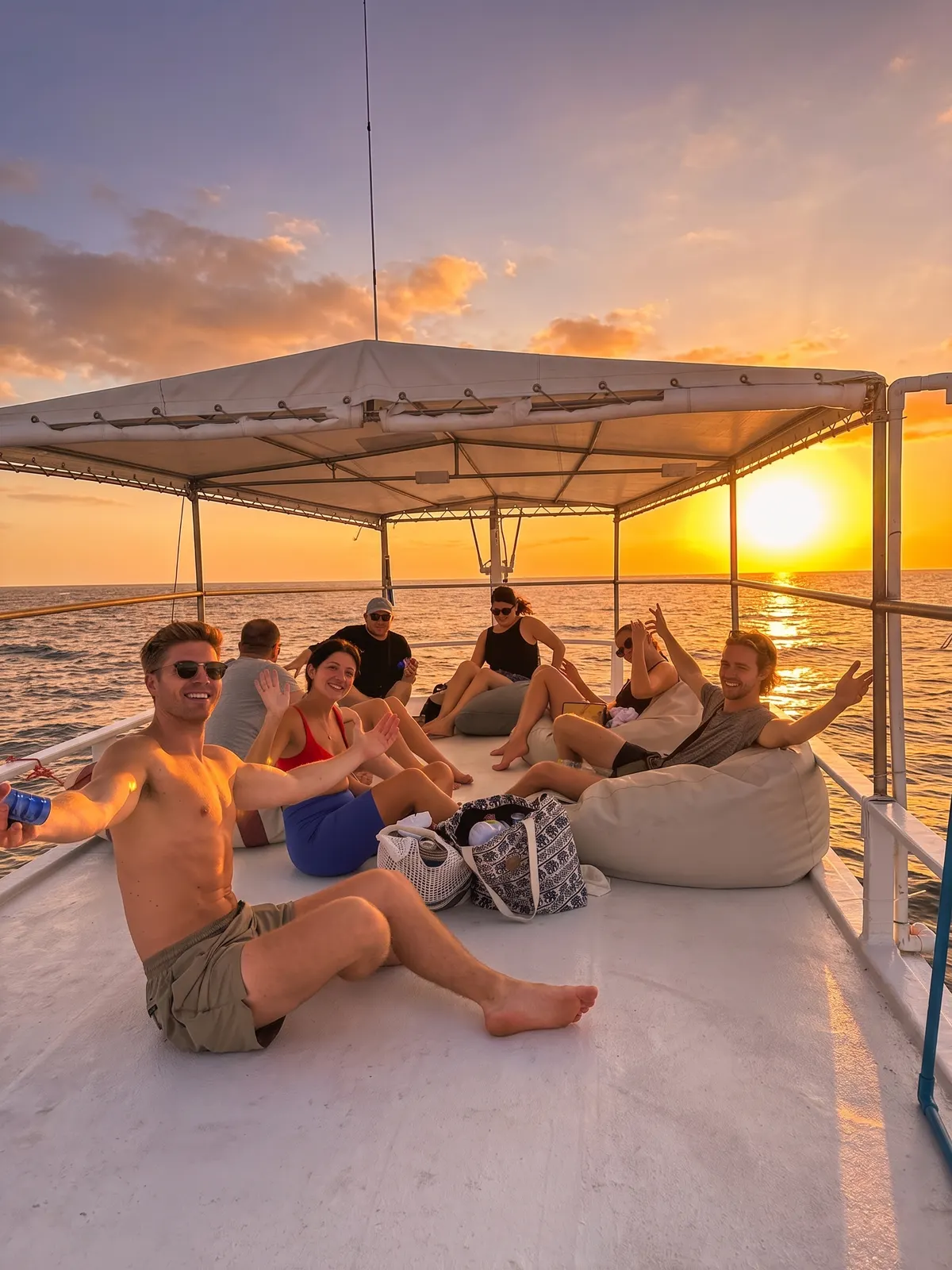 Diving Tips
High season, green season and everything in between — visibility, sea conditions, marine life and prices for every month of the year in Koh Lipe.
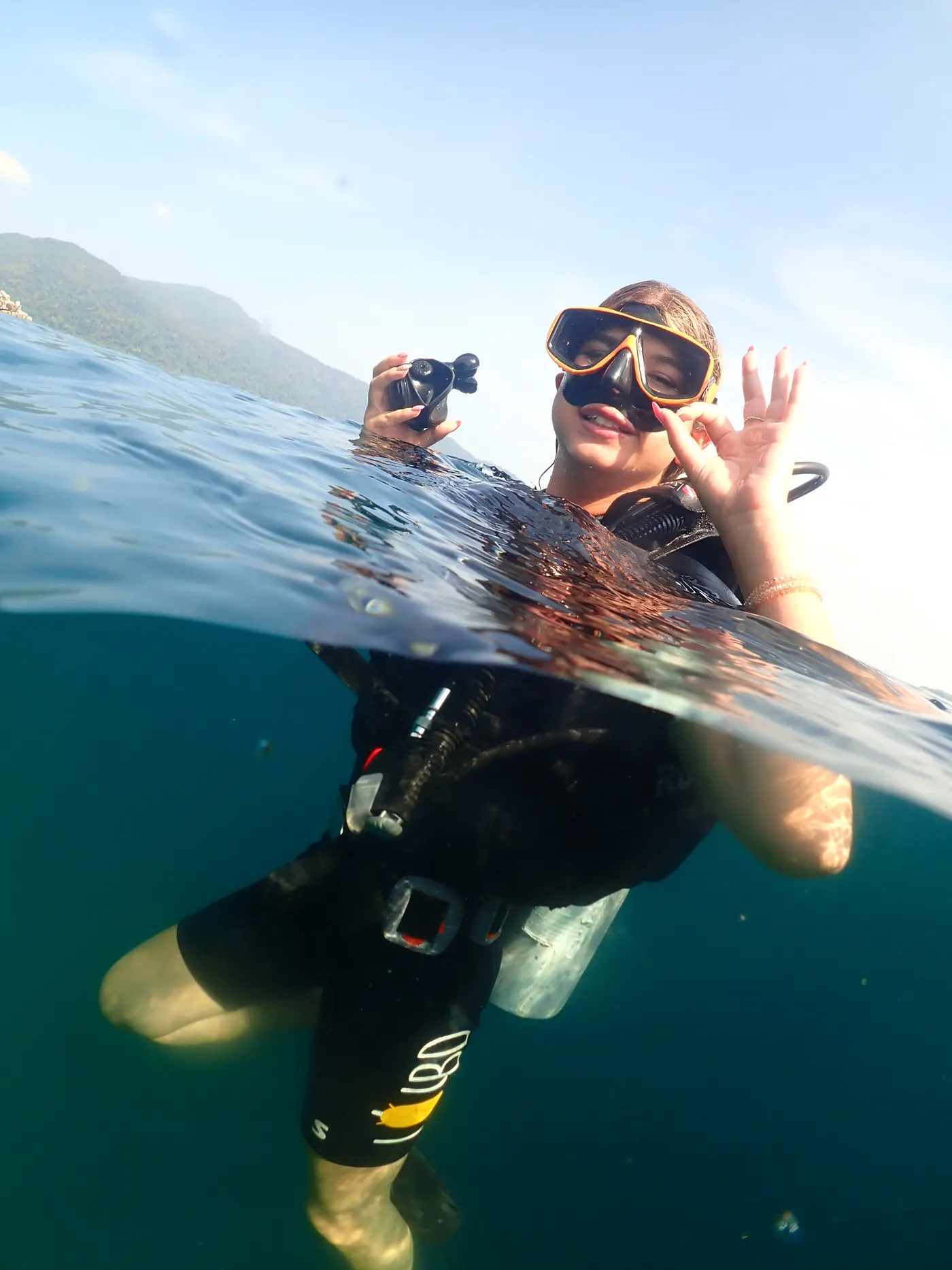 Diving Tips
What the Open Water course includes, what it costs, the day-by-day schedule, RAID vs PADI vs SSI, and how to prepare for your certification in Koh Lipe.
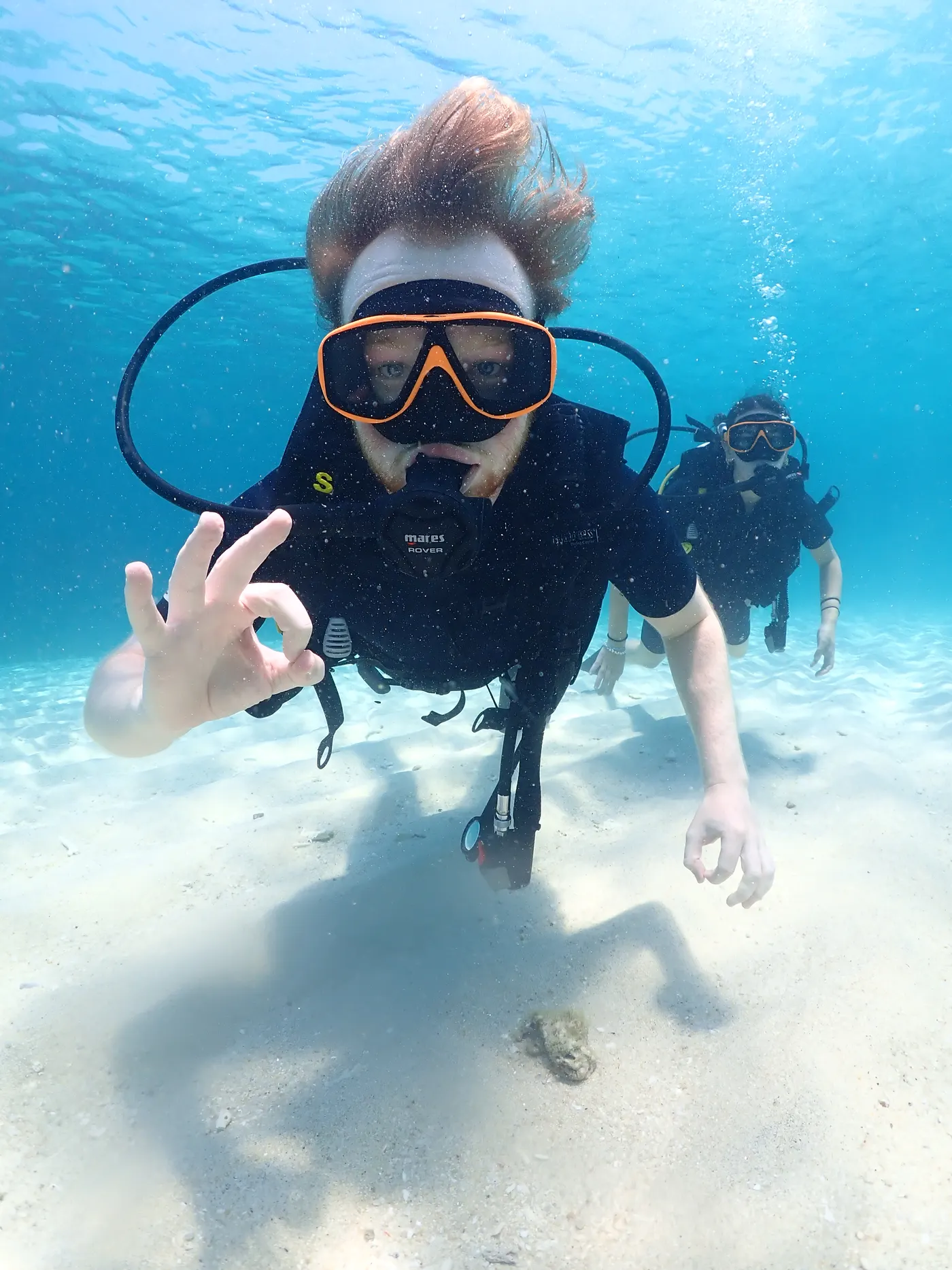 Diving Tips
One of the biggest myths in diving, answered honestly — when swimming is required, when it isn't, and how non-swimmers can try diving in Koh Lipe.
Message us on WhatsApp — courses, fun dives and honest advice about Koh Lipe.
Chat on WhatsApp