One of the biggest myths in diving, answered honestly — when swimming is required, when it isn't, and how non-swimmers can try diving in Koh Lipe.
24 July 2026 · updated 7 September 2026 · by La Bombona Diving Koh Lipe
You’ve always wanted to try scuba diving. But there’s one thing holding you back. You don’t know how to swim, so you assume scuba diving isn’t an option.
The good news is that this is one of the biggest myths about scuba diving. If you want to try scuba diving for the first time, you may not need to know how to swim at all.
Many dive centres offer beginner experiences that are designed for people with no diving experience and little or no swimming ability.
In this guide, you’ll learn whether non-swimmers can scuba dive, when swimming is required, and what to expect during your first scuba diving experience.
Key takeaways. You do not need to know how to swim to try scuba diving through a Try Dive experience. The dive takes place in shallow, protected water, and your instructor stays with you throughout. If you want to earn an Open Water scuba certification, you must be able to swim: a continuous 200-metre swim using any stroke, plus a 10-minute float or tread-water test without any flotation aids.
It depends entirely on what kind of diving you’re asking about.
No, you do not need to know how to swim.
A Try Dive is designed for first-time divers, nervous swimmers, and people who have never gone into deep water. You will either be paired one-on-one with an instructor or placed in a group of no more than two.
The instructor handles your buoyancy, diving equipment, and safety throughout the experience.
Yes, swimming is required.
RAID includes a swim assessment in the Open Water course. This is because certified divers must be able to take care of themselves in open water without relying on an instructor. So the answer to “is swimming necessary for scuba diving?” depends on the type of experience you choose.
If you are trying scuba diving for the first time, swimming is not required. If you want to become a certified scuba diver, you must be able to swim.
No. Many people do not realise that you can go scuba diving without a certification.
You can join a supervised introductory dive, such as a Try Dive, without a diving licence, swim test, or previous experience. During the dive, you stay in shallow, protected water. Around Koh Lipe, the water is calm, warm, and very clear, making it a great place for beginners.
Your instructor stays close to you throughout the dive to help ensure your safety.
Certification is only needed if you want to dive with a buddy, explore deeper dive sites, or scuba dive without an instructor in different locations around the world.
You can decide whether to get certified after you have tried scuba diving and know if you enjoy it.
Scuba diving does not feel like swimming.
You do not need to use your arms to move through the water. Instead, you wear fins that do the work. Your BCD (buoyancy control device) helps you stay balanced in the water, and your regulator lets you breathe underwater.
Even someone who has never learned to swim can often move comfortably underwater with scuba gear.
The swim and float test is included in certification courses for safety reasons. It prepares you for situations that can happen on the surface. For example, you may need to stay afloat while waiting for the boat, swim back to the boat if you surface too far away, or remain calm while dealing with a problem.
These situations are not part of a Try Dive.
During an introductory dive, you stay in shallow water and remain with your instructor the entire time. That is why a swim test is not required for a Try Dive.
You can enjoy a full introductory scuba diving experience without knowing how to swim.
The dive takes place in shallow, well-protected water, to a maximum of 12 metres. Your instructor stays with you throughout the dive. No swim test or scuba certification is required.
To become a certified scuba diver, you must complete a continuous 200-metre swim using any stroke (or 300 metres with mask, snorkel and fins).
There is no time limit. You must also complete a 10-minute float or tread-water test without using any flotation device. These are RAID’s requirements. Other certification agencies may set slightly different standards. If you enjoy your Try Dive and want to become certified, you can continue with the Open Water course later.
In many cases, your introductory dive can count toward the course. You will still need to complete the required swim assessment before earning your certification.
If your concern is not swimming but feeling nervous in the water, that is completely understandable. A calm, shallow, instructor-led dive is designed to help beginners feel comfortable and safe.
You will not be alone in the open ocean. You are not expected to perform any difficult skills. During a Try Dive, your instructor stays with you throughout the experience and guides you every step of the way.
The goal is to help you experience scuba diving in a safe and controlled environment. It also gives you the chance to see how you feel underwater before deciding whether you want to continue with scuba diving.
Koh Lipe is one of the best places in Thailand to try scuba diving for the first time. The water is calm, warm, and very clear, making it ideal for beginners. Even if you cannot swim, you can still join a Try Dive.
You do not need any previous diving experience, a swim test, or a scuba certification to take part. It is a safe and beginner-friendly way to experience scuba diving for the first time.
Book your Try Dive in Koh Lipe and see what it feels like underwater. After your first dive, you can decide whether you want to continue your scuba diving journey.
Yes, for an introductory Try Dive with an instructor. No, not for a full certification, which requires passing a swim and float test.
Introductory dives are designed for non-swimmers and run in shallow, controlled conditions with constant instructor supervision, which is what makes them appropriate for people with no swimming background.
Yes. If you want to earn an Open Water scuba certification, you will need to complete basic water skills, including a 200-metre swim and a 10-minute float or tread-water test. These requirements apply to RAID, which is La Bombona Diving’s certifying agency. Swimming requirements may vary slightly between agencies such as PADI, SSI, and NAUI.
Someone who cannot comfortably swim a continuous distance or float or tread water unaided. This is exactly the population Try Dive programmes are built to accommodate.
No. A Try Dive lets you dive without any certification, provided it’s a supervised introductory experience in appropriate conditions.
More in Diving Tips
 Diving Tips
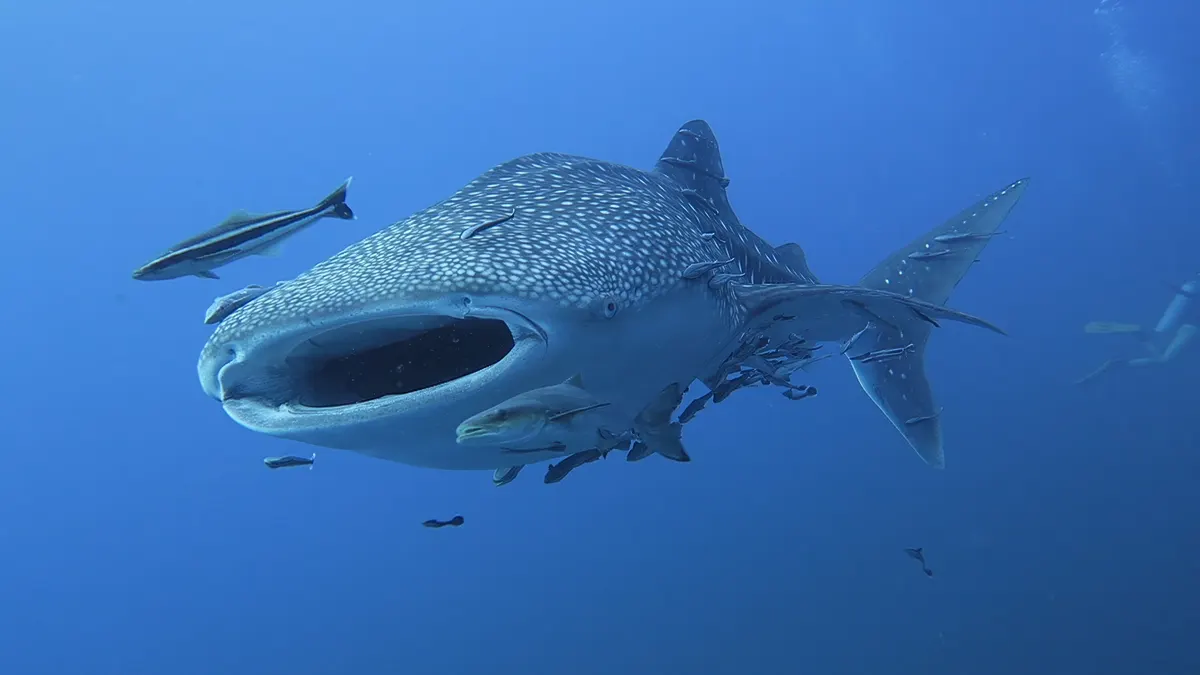
8 Mile Rock, the Yong Hua Wreck, Koh Sarang, Koh Pung, Seven Rocks, Sail Rock and deep Stonehenge — depths, currents, marine life and the best time to dive each one.
 Diving Tips
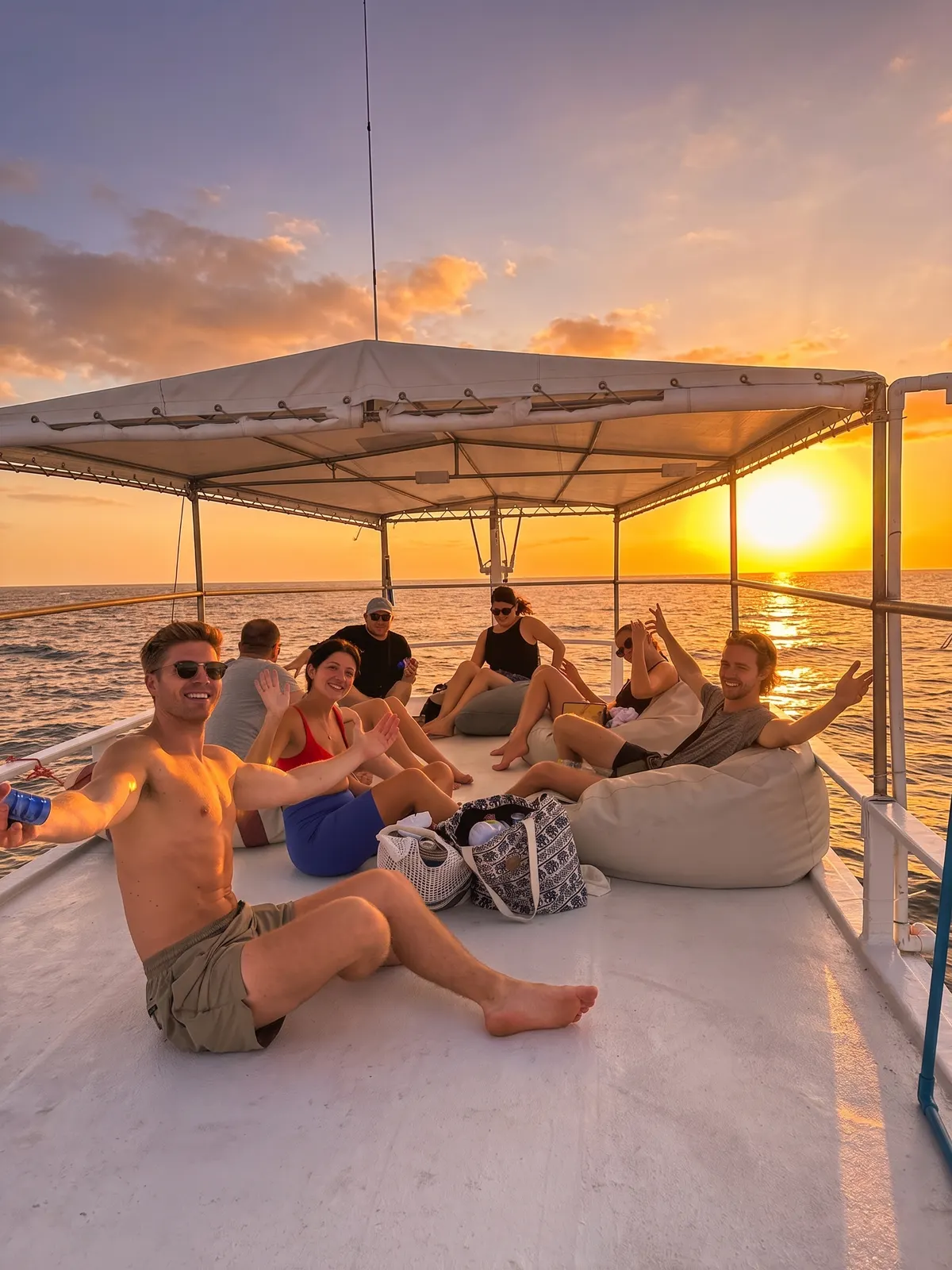
High season, green season and everything in between — visibility, sea conditions, marine life and prices for every month of the year in Koh Lipe.
 Diving Tips
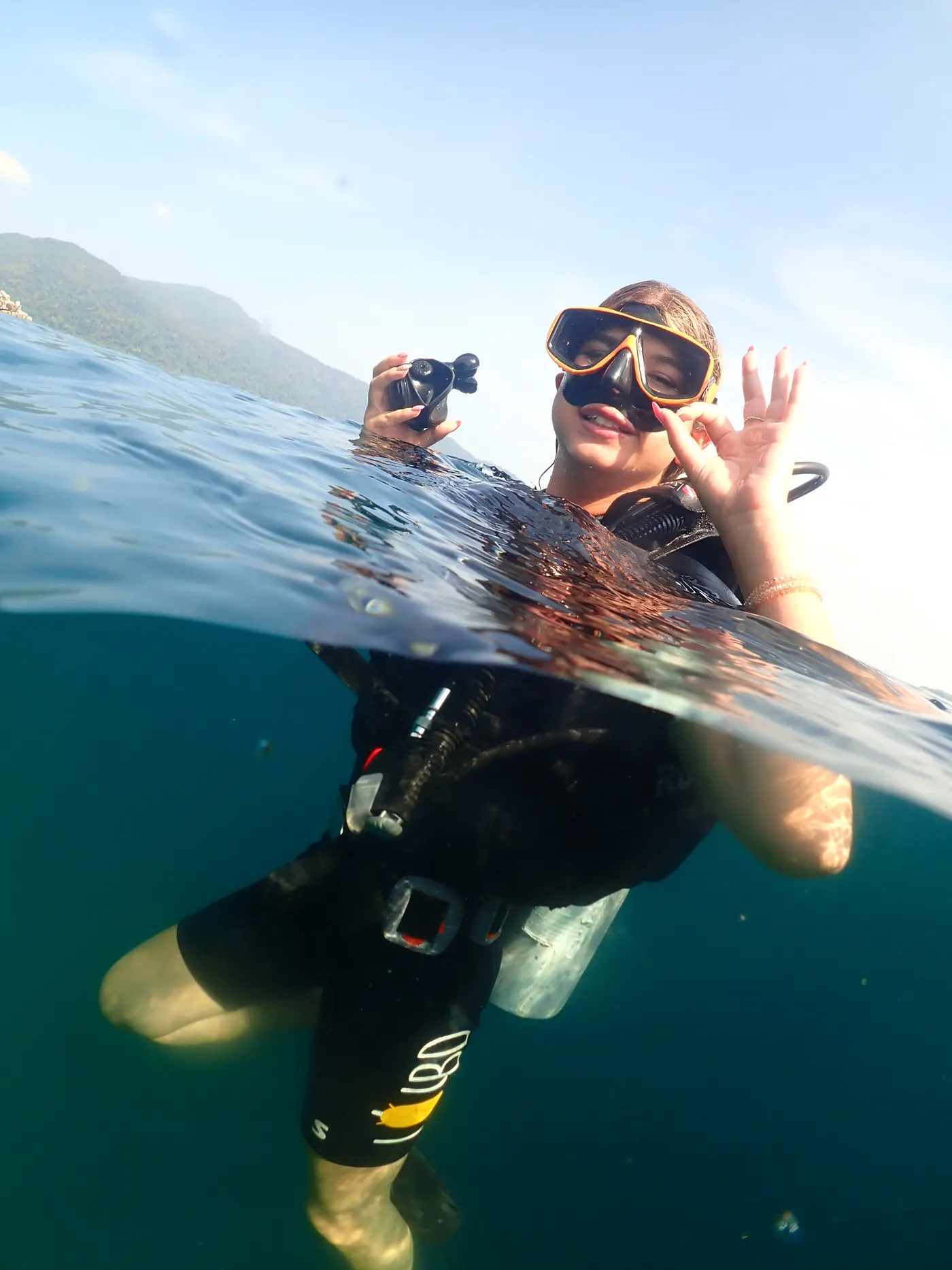
What the Open Water course includes, what it costs, the day-by-day schedule, RAID vs PADI vs SSI, and how to prepare for your certification in Koh Lipe.
Message us on WhatsApp — courses, fun dives and honest advice about Koh Lipe.
Chat on WhatsApp